

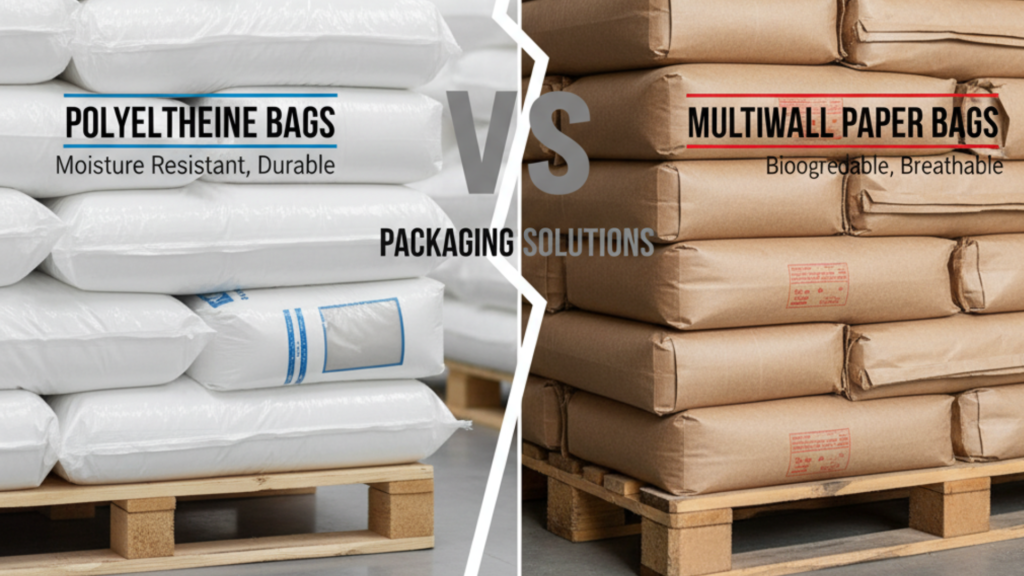
Choosing the right packaging solution is critical for protecting products, optimizing supply chain efficiency, meeting environmental goals, and presenting your brand professionally. Among the most common options in the packaging world are polyethylene bags and multiwall paper bags. In this complete comparison guide, we’ll break down polyethylene vs multiwall paper bags, explore polyethylene bags vs paper bags, highlight performance differences, and help you determine which option is best for your business needs.
Whether you’re looking for a cost-effective poly bag solution, superior strength, or eco-friendly paper packaging, understanding the key features of each material will empower smarter packaging decisions.
What Are Polyethylene Bags?
Polyethylene bags (also known as poly bags or plastic bags) are made from polymer resin derived from ethylene. They are among the most widely used packaging formats due to their versatility, durability, and moisture-resistant properties.
Common types of polyethylene packaging include:
-
Low-Density Polyethylene (LDPE) bags
-
High-Density Polyethylene (HDPE) bags
-
Custom printed poly bags
-
Heavy-duty industrial poly bags
Due to their strength and flexibility, polyethylene bags are used in food packaging, retail, industrial applications, and more.
What Are Multiwall Paper Bags?
Multiwall paper bags are constructed by layering multiple plies of kraft paper to create a strong, tear-resistant bag. Often reinforced with adhesives and sometimes combined with inner liners, these bags deliver enhanced durability without relying on plastic materials.
Multiwall sacks are widely used for packaging:
-
Agricultural products (grains, seeds, fertilizers)
-
Cement, minerals, and industrial powders
-
Pet food and animal feeds
-
Bulk consumer goods
Their robust structure and recyclable nature make them a preferred choice in industries focused on sustainability.
Polyethylene vs Multiwall Paper Bags: Side-by-Side Comparison
Let’s explore how these two packaging formats compare across key performance criteria.
1. Durability and Strength
-
Polyethylene Bags: Known for high tensile strength and flexibility. They stretch under load and resist tearing, punctures, and impact.
-
Multiwall Paper Bags: Very strong due to multiple layers of paper, but less flexible than poly bags. Excellent resistance to compression and stacking but can tear if handled roughly without reinforcement.
Winner: Depends on use case — polyethylene is better for flexibility and tear resistance, while multiwall excels under heavy compressive loads.
2. Moisture Resistance
-
Poly Bags vs Kraft Paper Bags: Polyethylene bags naturally resist moisture and water vapor, making them ideal for moist environments.
-
Multiwall Paper Bags: Paper is inherently absorbent. Many multiwall bags use moisture barrier liners (like plastic or foil) to improve resistance.
Winner: Polyethylene bags have the edge unless multiwall sacks have added barrier liners.
3. Environmental Impact
-
Polyethylene Packaging vs Multiwall Sacks: Traditional poly bags are not biodegradable, though many recyclable and recycled-content options exist.
-
Multiwall Paper Bags Benefits: Paper products are recyclable and made from renewable resources, offering a lower environmental footprint when responsibly sourced and disposed.
Winner: Multiwall paper bags generally win on sustainability.
4. Customization and Branding
-
Poly Bags: Easy to print with vibrant, high-resolution logos and branding. Custom polyethylene bags can elevate retail packaging significantly.
-
Multiwall Paper Bags: Can be printed with branding, though graphics may be less vibrant due to paper texture and ink absorption.
Winner: Poly bags for superior print quality and brand visibility.
5. Cost Considerations
-
Polyethylene Bags: Generally cost-effective, especially for high volume runs. Lightweight nature reduces freight costs.
-
Multiwall Paper Bags: Can be more expensive due to material and manufacturing complexity, but cost varies based on thickness and liner requirements.
Winner: Poly bags in most standard packaging scenarios.
Key Advantages of Polyethylene Bags
Understanding the advantages of polyethylene bags helps clarify why they are widely adopted:
-
Exceptional resistance to moisture and chemicals
-
Durable under stress and handling
-
Lightweight and easy to transport
-
Excellent for retail and custom applications
-
Strong performance across temperatures
These features make them an ideal choice for retail, food packaging, and industrial uses.
Multiwall Paper Bags Benefits
While polyethylene bags excel in many areas, multiwall paper bags benefits make them attractive:
-
Renewable and recyclable materials
-
Excellent for heavy-duty bulk packaging
-
Strong stackability
-
Breathable when needed (for products like produce)
-
Preferred in sustainable supply chains
Growing consumer demand for eco-friendly packaging further boosts the appeal of multiwall sacks.
When to Choose Polyethylene Bags vs Paper Bags
Here’s a practical guide to help you decide:
Choose Polyethylene Bags If:
-
You need superior moisture resistance
-
High flexibility and tear resistance are required
-
You’re packaging retail products with custom branding
-
Lightweight, cost-effective transport is essential
Choose Multiwall Paper Bags If:
-
You require recyclable, sustainable packaging
-
Packaging heavy, bulk goods (e.g., grains, powders)
-
Environmental messaging is a brand priority
-
Breathability is beneficial
FAQs: Polyethylene vs Multiwall Paper Bags
1. What is the main difference between polyethylene and multiwall paper bags?
The primary difference lies in material type: polyethylene bags are plastic and moisture-resistant, while multiwall paper bags are layered paper designed for strength and sustainability. The performance varies based on the intended application.
2. Are polyethylene bags recyclable?
Yes — many polyethylene bags, especially HDPE and LDPE formats, are recyclable where facilities exist. Using recycled content can further reduce environmental impact.
3. Do multiwall paper bags offer moisture protection?
Standard multiwall paper bags are not inherently moisture-resistant, but they can be enhanced with internal liners like polyethylene or foil to provide a moisture barrier.
4. Which option is better for food packaging?
Both can be suitable, depending on product requirements. Polyethylene packaging is ideal for moisture-sensitive foods, while multiwall paper bags with liners can work for dry food products.
5. Can I customize printing on both types?
Yes. Poly bags typically offer higher-resolution branding opportunities, but multiwall paper bags can also be printed with logos and product information.
6. Are multiwall sacks more expensive than poly bags?
Costs vary based on materials, coatings, and size. Generally, polyethylene bags are more cost-effective for standard packaging, while multiwall bags may cost more depending on the strength and liner features.
Conclusion
When comparing polyethylene vs multiwall paper bags, no single winner exists across all packaging categories. The choice depends on your specific needs — whether it’s moisture protection, durability, sustainability, branding, or cost.
Poly bags vs kraft paper bags offers compelling advantages in flexibility and moisture resistance, while multiwall paper bags benefits appeal to brands prioritizing sustainability and bulk strength.


