

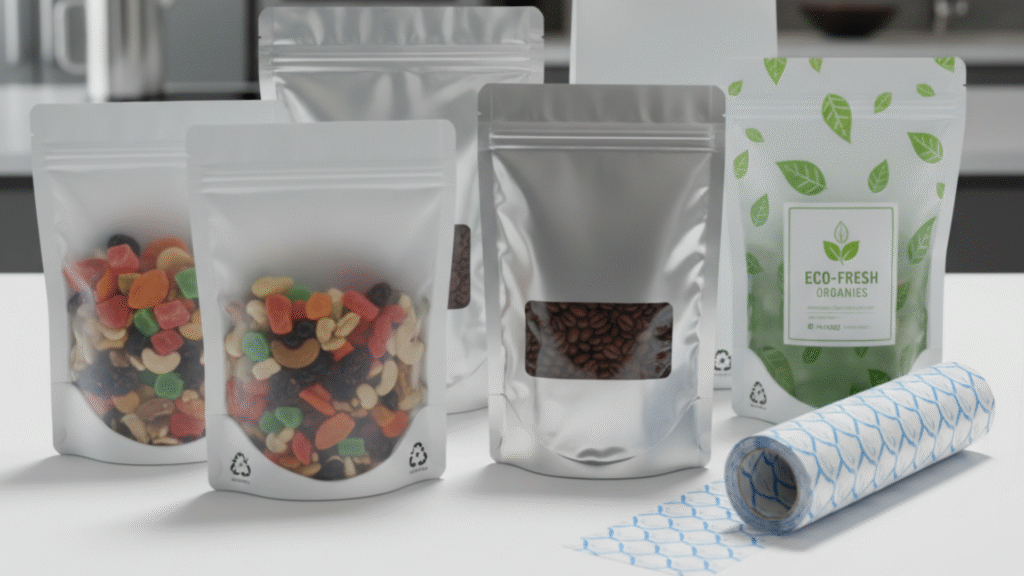
Of course, yes. Flexible packaging may not be the most glamorous subject to talk about. But it has revolutionized the way goods are being stored, shipped, and consumed all over the globe. Whether it is the stand-up pouch that contains granola or the foil packets that protect coffee, this new type of packaging is becoming a revolution in terms of both efficiency and the environment.
According to one report, the global flexible packaging industry can become a USD 369 billion industry by 2030.
In this blog, we are going to explore the reasons why the concept of modern flexible packaging is not a trend, but a giant leap towards a smarter, greener future. Let’s get started.
How Flexible Packaging Improves Storage and Shipping
Rigid containers work well, but often waste space and cost more to handle. Flexible packaging avoids those issues and makes the entire logistics process smoother.
The Space-Saving Packaging Power.
A major advantage of flexible materials, which is the most immediate and significant, is their space-saving capability.
Before Filling:
Flexible pouches or films are shipped to the manufacturer in a flat form, which takes up a smaller space than empty jars or cans. This means that there would be fewer trucks required in the transportation process, which will save a lot of fuel and carbon emissions even before the product is packaged.
After Filling:
Filled flexible containers are usually shaped to the product they hold, and therefore reduce empty spaces. Square-bottomed stand-up pouches, for example, pack together much better on a pallet than round cans or bottles.
Reduces Weight
Weight is yet another important factor in packaging.
Flexible packaging materials are usually thin plastics, foils, or paper that have a significantly lower weight compared to their glass, metal, or rigid plastic equivalents.
Food and beverage packaging materials can sometimes take a considerable amount of up to 10-15 percent of the overall weight of a product when it is made of rigid materials. That percentage goes down by using lightweight packaging films and pouches.
With reduced weight, it lowers the fuel usage during transportation.
Light products are also easier to move by the warehouse personnel, retailers, and the consumer, which adds to the overall supply chain experience.
Greater Protection of Products.
It is believed that flexible packaging may not offer better protection than rigid packaging. But the opposite is often true.
Contemporary flexible packaging involves the application of advanced multi-layer laminates. These laminates are made up of materials such as plastic, foil, and paper to form superior barriers as compared to the basic rigid containers.
These layers have the ability to prevent moisture, oxygen, UV light, and odors. This is essential in the case of perishable products such as food, pharmaceutical products, and cosmetics, which have a significant effect on the shelf life of these products.
Flexible packaging helps increase shelf life, thereby lowering food waste.
Here is how flexible packaging protects the products.
Barrier Protection
Special films that prevent moisture, air, and light can be applied to the flexible materials. This is essential to food, medicine, and other sensitive commodities.
Resistance to Puncture and Tear.
Although it is thin, the combination of materials can resist sharp edges or rough treatment during transportation.
Temperature Tolerance
Various pouches and films are resistant to heat or cold, and therefore can be used with frozen products, hot fill products, or microwaveable products.
Tamper Evidence
Flexible packaging may have seals, tear notches, or zippers that display obvious evidence of opening. This assists in safeguarding consumers.
How Flexible Packaging Supports Sustainability
Many companies today are under pressure to reduce their environmental footprint. Flexible packaging plays an important part in helping businesses reach sustainability targets. While not perfect, it offers several benefits that make it one of the more eco-friendly choices available today.
Beyond logistics, flexible packaging offers clear environmental benefits and plays an important role in sustainable packaging efforts.
Lower Resource Consumption
Manufacturing of flexible packaging normally consumes fewer natural resources and less energy than manufacturing of rigid containers.
For example, it takes much less energy to manufacture a lightweight film compared to the energy used to blow-mold a heavy plastic bottle or melt and shape a glass jar. Flexible materials are also thinner and more accurate, i.e., less raw material (e.g., plastic resin) is consumed per unit being packaged. Good sustainable packaging design is based on this efficient use of resources.
The Move to Sustainable Packaging Materials.
Absolutely. Flexible packaging is generally made from traditional plastic, which can questions its credibility as being sustainable. However, the development of new sustainable materials is definitely a great improvement.
For example, there are recyclable pouches made using new mono-material constructions (pouches created with a single material, such as all-PE or all-PP).
More companies are incorporating post-consumer recycled (PCR) content directly into their flexible packaging solutions, closing the loop and reducing the demand for virgin plastics.
Smaller Carbon Footprint
The process of flexible packaging involves fewer materials. This means that it requires less energy to create and weighs less during shipping, creating a smaller carbon footprint than rigid packaging.
How Flexible Packaging Simplifies Daily Life.
Resealable Closures
Tops with zippers and snaps allow keeping items fresher longer and minimize waste.
Easy to carry around and portable.
Light packaging is easy to carry in a bag, lunchbox, or backpack. Consumers are able to carry snacks, child food, or personal care products without bearing any additional weight.
Easy to Open
These packages are easy to use by anyone, including older adults and children, since they have tear notches, spouts, and peel-open sections.
Takes Up Less Trash Space
Pouches and films decrease the amount of household waste since they flatten out when empty.
Why More Businesses Choose Flexible Packaging Solutions
Lower Production Costs
The materials are thinner, and hence the companies use less in production and raw materials.
Higher Shelf Appeal
Vibrant designs can be printed onto flexible packaging to make it catch. With a smooth surface and large print area, manufacturers can get more creative with their branding.
Better Storage Efficiency
Space-saving packaging is useful to warehouses and retailers, as we have discussed earlier. Fewer units per pallet implies reduced cost of storage.
Final Thoughts
Flexible packaging has transformed product storage, transportation, and consumption. It has benefitted the supply chain, whether it is saving space, reducing waste, or securing products. Also, this type of packaging helps create a green future by balancing convenience and environmental responsibility.


