

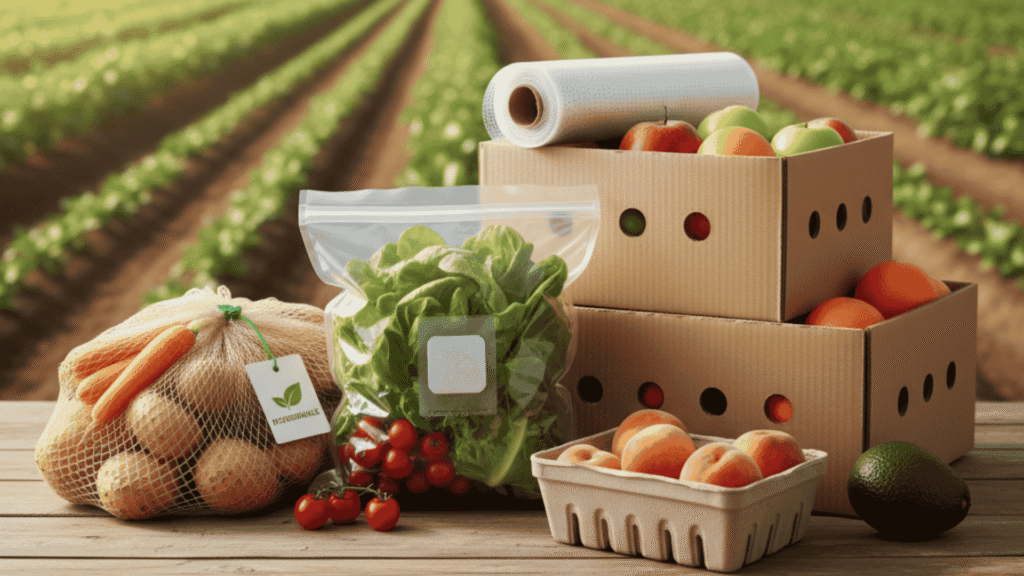
In an era where sustainability and efficiency are at the forefront of global agricultural innovation, agricultural packaging solutions are rapidly evolving to meet the demands of producers, distributors, and environmentally conscious consumers. With rising concerns over food waste, carbon footprints, and resource optimization, the importance of smart packaging cannot be overstated. From fresh produce packaging that extends shelf life to eco-friendly agricultural bags that minimize environmental impact, modern packaging solutions are revolutionizing the agriculture sector. This comprehensive article explores how agricultural packaging enhances freshness, reduces waste, supports sustainability, and ultimately contributes to a more resilient food system.
Understanding the Role of Agricultural Packaging Solutions
Agricultural packaging solutions encompass the materials, technologies, and systems used to protect, transport, and present agricultural products, from fruits and vegetables to grains and seeds. These solutions are engineered to preserve freshness, prevent contamination, and reduce post-harvest losses, which account for a significant portion of global food waste.
Effective packaging not only safeguards produce but also communicates quality and safety to consumers. Critical components of modern agricultural packaging include barrier films, breathable materials, temperature-regulating systems, and biodegradable options that align with sustainable objectives. Discover The complete guide to packing and labeling agricultural products for export, an essential resource for exporters looking to secure global markets by using the right agricultural packaging, preserving freshness, and meeting international labeling standards.
Fresh Produce Packaging: Preserving Quality from Farm to Table
One of the most vital categories within agricultural packaging is fresh produce packaging. Fruits and vegetables are highly perishable and prone to moisture loss, bruising, and microbial growth. Without proper packaging, fresh produce can deteriorate rapidly, leading to economic losses and increased food waste.
Innovative fresh produce packaging solutions incorporate technologies like modified atmosphere packaging (MAP), which adjusts oxygen and carbon dioxide levels to slow down respiration and decay. Other solutions use breathable films that balance moisture and airflow, ensuring delicate produce like berries, leafy greens, and tomatoes stay fresh longer.
By investing in advanced fresh produce packaging, growers and distributors can significantly prolong shelf life, enhance visual appeal, and improve consumer satisfaction — all while reducing overall waste.
Sustainable Farm Packaging: Balancing Performance with Environmental Responsibility
As environmental concerns grow, sustainable farm packaging has emerged as a priority for agricultural stakeholders. Traditional plastic packaging, while effective in preserving quality, often contributes to pollution and landfill accumulation. Sustainable alternatives aim to maintain performance while minimizing environmental impact.
Biodegradable and compostable packaging materials, such as plant-based films, recycled paper products, and natural fiber composites, offer promising solutions. These materials break down more easily, reducing the burden on waste management systems and supporting circular economy principles.
Sustainable farm packaging also includes designs that optimize space and reduce material usage, such as recyclable crates, reusable totes, and packaging systems that can be flattened or reconfigured for efficient transport.
When producers adopt sustainable farm packaging, they not only demonstrate environmental stewardship but also appeal to a growing segment of eco-conscious consumers who prioritize sustainability in their purchase decisions. Explore the key differences between modern and traditional agricultural bags, and discover how today’s advanced packaging technologies are reshaping farm operations with greater efficiency, sustainability, and protection.
Reduce Food Waste Packaging: A Strategic Priority
One of the most compelling goals for modern agriculture is to reduce food waste packaging. Food waste represents a major global inefficiency, with significant resources, including water, labor, and energy, lost when crops do not reach consumers in consumable condition. Packaging plays a crucial role in preventing this loss.
Advanced reduce food waste packaging integrates features designed to mitigate common issues such as moisture imbalance, physical damage, and microbial contamination. For example:
- Temperature control technologies help maintain the optimal climate for perishable goods during transport and storage.
- Barrier films slow down degradation caused by oxygen and ethylene, a ripening hormone released by many fruits.
- Individual portion packaging reduces wastage at the consumer level, especially for households and foodservice operations.
By focusing on reduce food waste packaging, businesses not only improve operational efficiency but also contribute to food security and sustainability goals at a community and global scale.
Freshness Extending Packaging: Extending Shelf Life with Smart Design
At the heart of successful freshness extending packaging is the ability to tailor packaging properties to specific produce needs. Freshness loss often results from moisture imbalance, oxidative reactions, and microbial growth, challenges that can be mitigated with carefully engineered solutions.
Freshness extending packaging may include:
- Modified atmosphere packaging (MAP) to regulate internal gas levels.
- Active packaging incorporating natural antimicrobials or oxygen scavengers.
- Smart indicators that show freshness levels or temperature history.
For example, certain berry packaging includes breathable micro-perforations that manage humidity, while leafy greens may benefit from films that permit CO₂ release without drying out the product. These targeted approaches not only extend shelf life but also maintain taste, texture, and nutritional quality.
With such innovations, fresh packaging reduces the need for preservatives and lowers returns due to spoilage, a win-win for producers and consumers alike.
Eco-Friendly Agricultural Bags: Sustainable & Protective Solutions
Eco-friendly agricultural bags represent a significant shift toward greener practices in packaging. These bags are designed to minimize environmental impact while providing robust protection for agricultural goods.
Materials commonly used in eco-friendly agricultural bags include:
- Biodegradable polymers derived from corn starch or sugarcane.
- Recycled plastics that re-enter the manufacturing cycle.
- Natural fibers like jute, cotton, and hemp that decompose naturally.
These alternatives reduce reliance on virgin plastics and support sustainability commitments without compromising durability or performance. Eco-friendly agricultural bags can be used for packaging produce, grains, seeds, and even fertilizer, offering broad applicability across the farm supply chain.
Additionally, brands using eco-friendly agricultural bags often experience enhanced market differentiation. As consumers increasingly prioritize sustainability, packaging that reflects environmental values can be a powerful brand asset.
How Agricultural Packaging Solutions Support the Supply Chain
Agricultural packaging does more than just hold products; it serves as a vital link in the entire supply chain. From farmer harvest bins and transport crates to fresh produce packaging and consumer-ready units, every stage benefits from optimized packaging.
Key advantages include:
- Improved Handling and Transport
Packaging tailored to product fragility and size reduces damage during logistics, lowering costs associated with returns and waste. - Enhanced Traceability and Safety
Modern packaging often includes labeling systems and QR codes that enable traceability from farm to fork, improving safety and transparency. - Cost Efficiency
While investment in advanced packaging may seem higher initially, the reduction in spoilage and improved operational efficiency deliver long-term savings. - Brand Reputation and Marketability
With sustainability increasingly influencing consumer behavior, using sustainable farm packaging and eco-friendly agricultural bags enhances brand appeal and loyalty.
Choosing the Right Agricultural Packaging Solutions
Selecting the optimal agricultural packaging solutions requires balancing performance, sustainability, cost, and logistical needs. Key considerations include:
- Product Type and Sensitivity: Highly perishable goods need different packaging than hardy crops.
- Transportation Conditions: Long-haul shipments may require temperature control and moisture barriers.
- Environmental Impact: Evaluate material lifecycle and disposal options.
- Consumer Expectations: Packaging should align with brand values and customer preferences.
Partnering with experienced packaging suppliers can help agricultural businesses identify the right materials and designs for their unique needs. Through testing, customization, and innovation, producers can achieve packaging solutions that protect products while promoting sustainability.
Future Trends in Agricultural Packaging
The future of agricultural packaging solutions is dynamic, driven by technology, consumer demand, and environmental imperatives. Some emerging trends include:
- Smart Packaging: Integrating sensors and indicators that monitor freshness and quality.
- Circular Material Systems: Expanding take-back and recycling programs to close the material loop.
- Bio-Based Innovations: Continued development of biodegradable and compostable packaging with commercial viability.
- Digital Integration: Using digital platforms to optimize packaging design and supply chain coordination.
These advancements reflect a broader commitment to sustainability and efficiency in the agricultural sector. As these trends mature, packaging will continue to play a pivotal role in reducing waste and enhancing freshness from farm to fork.
Conclusion
Effective agricultural packaging solutions are indispensable for modern farming and supply chain success. From fresh produce packaging that keeps fruits and vegetables vibrant to sustainable farm packaging that minimizes environmental impact, the right packaging strategy can transform operational outcomes. By prioritizing innovations like reducing food waste packaging, freshness extending packaging, and eco-friendly agricultural bags, producers and brands not only improve quality and profitability but also contribute to global sustainability efforts.
In an increasingly competitive and conscious market, embracing advanced agricultural packaging solutions is not just beneficial, it’s essential. At isell packaging, we are committed to helping agriculture professionals find smart, sustainable, and cost-effective packaging solutions that protect produce, reduce waste, and support a healthier planet. Reach out to us by phone, email, or through the form below, we’re happy to answer product questions, provide quotes, or help you find the perfect packaging solution for your needs.


